


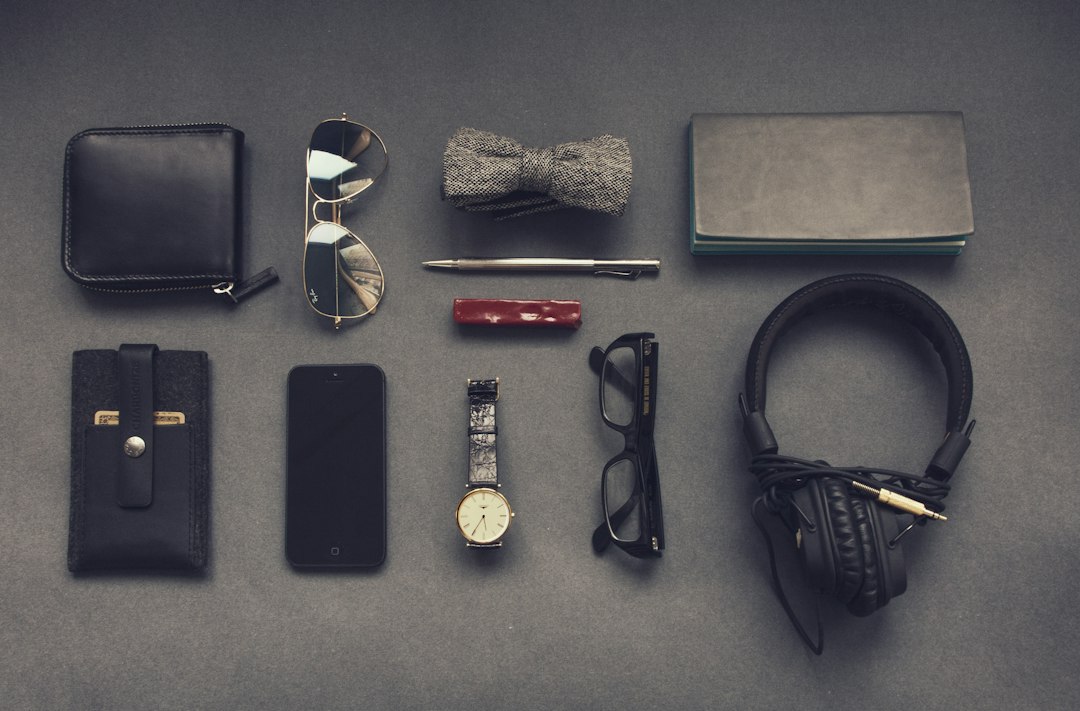
The Whispering Charm: How Accessories Speak Without Words
In a world where first impressions are often formed within seconds, the silent language of accessories plays a more significant role than many realize. These small yet powerful adornments whisper stories about who we are, what we value, and even what we aspire to become—all without uttering a single word. From the delicate clasp of a necklace to the bold statement of a watch, accessories are more than mere embellishments; they are extensions of our identity, culture, and emotions.
Imagine walking into a room where every glance, every accessory, tells a tale. The confident professional’s structured watch speaks of discipline and punctuality, while the bohemian’s layered bracelets hint at creativity and free-spiritedness. Even the absence of accessories can communicate volumes, suggesting an affinity for minimalism or a rejection of societal expectations. In this way, accessories become a non-verbal dialogue, bridging gaps between individuals and cultures without the need for spoken language.
The Power of First Impressions
Psychologists and social scientists have long emphasized the importance of first impressions, and accessories are often the first visual cues we notice. Studies suggest that people form opinions about others within milliseconds of seeing them, and accessories can significantly influence these snap judgments. A classic leather wallet might evoke trust and reliability, while a sleek pair of sunglasses can project an air of mystery and sophistication. These silent signals shape how we are perceived, often before we even speak.
For professionals, the right accessory can be a game-changer. A well-chosen tie or a statement brooch can elevate an outfit, signaling attention to detail and professionalism. In social settings, accessories can break the ice or foster connections. A vintage ring might spark a conversation about family heritage, while a colorful scarf could reflect a shared love for art and culture. The language of accessories is universal, transcending barriers of language and geography.
Cultural and Historical Significance
Accessories are not just modern-day statements; they have deep roots in history and culture. Ancient civilizations used jewelry and adornments as symbols of status, protection, and spirituality. In Egypt, amulets were worn for their believed protective qualities, while in Renaissance Europe, elaborate brooches signified wealth and power. Even today, cultural accessories like the bindi in South Asia or the hanbok’s norigae in Korea carry centuries of tradition and meaning.
The materials and designs of accessories often reflect the values and beliefs of a society. For example, the use of turquoise in Native American jewelry is not merely aesthetic but spiritual, representing healing and protection. Similarly, the intricate patterns in Celtic knots are believed to hold symbolic meanings related to eternity and interconnectedness. By wearing these pieces, individuals carry forward a legacy of tradition and identity.
The Emotional Connection
Beyond their aesthetic and cultural roles, accessories often hold deep emotional significance. A piece of jewelry inherited from a loved one becomes a tangible connection to the past, a reminder of cherished memories. A bracelet gifted on a special occasion carries the emotions of that moment, serving as a silent yet powerful keepsake. These accessories are more than objects; they are vessels of sentiment, encapsulating joy, grief, love, and resilience.
Fashion psychologist Dr. Dawnn Karen highlights how accessories can influence our mood and confidence. Wearing a favorite ring or a bold necklace can evoke a sense of empowerment, acting as a personal talisman. This emotional resonance explains why people often gravitate toward specific accessories during pivotal moments in their lives—whether it’s a wedding ring, a graduation cap tassel, or a lucky charm during an important interview.
Accessories as Tools of Transformation
One of the most fascinating aspects of accessories is their ability to transform not just outfits but also perceptions and attitudes. A simple change in accessories can alter an entire look. Swapping a casual baseball cap for a structured fedora can shift an outfit from laid-back to polished. Adding a bold necklace to a minimalist dress can turn it into a statement ensemble. This transformative power makes accessories invaluable tools for self-expression and reinvention.
In the professional world, accessories can help individuals craft their desired image. A classic watch can convey reliability, while a vibrant scarf can showcase creativity. Entrepreneurs and creatives often use accessories as a form of personal branding, selecting pieces that align with their professional identity. Even in everyday life, the right accessory can boost confidence, acting as a visual cue to oneself and others that one is ready to take on the day.
The Psychology Behind Accessory Choices
Our choices in accessories are rarely random; they are deeply influenced by our subconscious desires and self-perceptions. According to color psychology, the hues we choose can reflect our emotional state or aspirations. A person wearing a bright red bracelet might be seeking attention or expressing passion, while someone opting for soft pastels may be conveying a desire for tranquility. Similarly, the materials we gravitate toward—whether gold, silver, leather, or beads—can signal our values and preferences.
Accessories also serve as a form of non-verbal communication in social interactions. A person wearing multiple rings might be signaling a bohemian or artistic personality, while someone with a minimalist watch could be emphasizing practicality and efficiency. These silent cues can foster instant connections or create deliberate boundaries, shaping how others engage with us.
The Sustainable and Ethical Dimension
In recent years, the conversation around accessories has expanded to include ethical and sustainable considerations. Consumers are increasingly aware of the environmental and social impact of their purchases, leading to a rise in demand for ethically sourced materials and transparent production processes. Brands that prioritize fair labor practices, recycled metals, or vegan alternatives are resonating with a growing audience that values responsibility as much as aesthetics.
Choosing sustainable accessories is not just a trend; it’s a statement. A handcrafted bag made from upcycled materials or a piece of jewelry from a brand that supports local artisans can speak volumes about one’s commitment to ethical living. These choices reflect a deeper understanding of the interconnectedness between personal style and global impact, proving that even the smallest adornments can carry a message of conscientiousness.
How to Harness the Power of Accessories
Understanding the language of accessories is the first step toward using them intentionally. Whether you aim to convey professionalism, creativity, or cultural pride, the right pieces can amplify your message. Here are some tips to help you master the art of silent communication through accessories:
- Know Your Audience: Consider the context and the people you’ll be interacting with. A playful hair clip might be perfect for a casual gathering but less suitable for a formal meeting.
- Balance is Key: Avoid overwhelming an outfit with too many accessories. A well-curated selection can create harmony, while excess can dilute your intended message.
- Invest in Timeless Pieces: Classic accessories like a quality watch, a leather belt, or a simple pendant necklace can transcend trends and serve as reliable communication tools in any setting.
- Experiment and Evolve: Don’t be afraid to step out of your comfort zone. Trying new accessories can help you discover new facets of your personality and refine your personal style.
- Prioritize Comfort: The best accessories should not only look good but feel good. Discomfort can distract from the message you’re trying to convey, so choose pieces that align with your lifestyle.
The Future of Accessory Language
As technology and fashion continue to intersect, the language of accessories is evolving. Smart accessories, such as fitness trackers embedded in bracelets or LED-embedded jewelry, are blurring the lines between functionality and fashion. These innovations allow wearers to communicate not just identity but also real-time data, health metrics, and even digital messages. The future of accessories may lie in their ability to adapt, offering personalized and interactive forms of silent communication.
Moreover, the rise of virtual fashion in digital spaces—such as NFT wearables or customizable avatars in metaverse platforms—expands the concept of accessories into entirely new realms. In these digital landscapes, accessories become a means of self-expression in virtual communities, proving that the language of adornment is not confined to the physical world.
The whispering charm of accessories lies in their ability to transcend words, cultures, and even time. They are silent storytellers, cultural ambassadors, and personal emblems rolled into one. By understanding and harnessing the power of these adornments, we can communicate more effectively, connect more deeply, and express ourselves more authentically. In a world that often feels loud and overwhelming, the quiet elegance of accessories reminds us that sometimes, the most powerful messages are those left unspoken.


